Synthetic and Marine Rope
Nylon, polyester, plastic and marine-grade rope for applications requiring high strength, elasticity control or sustained marine exposure.
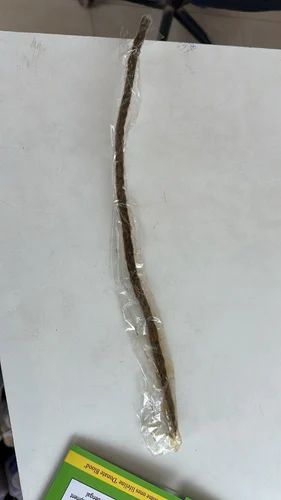
- Materials Available
- Nylon, polyester, general-purpose plastic (PP/HDPE blend)
- Construction
- Twisted (3-strand) and braided
- Colour
- Natural, black or coloured on request
- Put-Up
- Coils or reels to specified length
- HS Heading
- 5607 — Twine, cordage, ropes and cables, of synthetic fibre
Choosing Nylon vs Polyester vs Plastic Rope
Each synthetic material behaves differently under load, stretch and marine exposure — the right choice depends on whether elasticity, abrasion resistance or cost is the priority.
High Elasticity, High Strength
Nylon rope has significant stretch and absorbs shock loading well, making it a common choice for mooring and towing lines where some elasticity is wanted to absorb sudden loads. It absorbs some water and loses a portion of dry strength when wet, though far less than natural fibre.
Low Stretch, UV-Resistant
Polyester rope has much lower stretch than nylon and holds up well to sustained UV and marine exposure, making it a common choice for standing rigging and applications where minimal stretch under load is wanted.
Construction Types Available
3-Strand Twisted
Standard construction for general marine and mooring rope, balancing cost and handling.
Braided Rope
Rounder, more kink-resistant construction preferred where the rope runs through blocks or winches.
Marine-Grade Finish
UV-stabilized and abrasion-resistant finishing for rope intended for sustained outdoor marine exposure.
Where Synthetic and Marine Rope Is Used
Packaging
Synthetic rope is supplied coiled or reeled to specified length and diameter, and does not carry the fumigation certificate requirements that apply to natural fibre shipments — confirm the applicable export requirement for your specific destination via our export page.
Common Questions
Which stretches more, nylon or polyester rope?
Nylon stretches significantly more than polyester at the same load, which is why nylon is often chosen for mooring and towing lines where shock absorption is useful, while polyester is chosen where minimal stretch under load is the priority.
Is synthetic rope better than natural fibre rope for marine use?
Synthetic rope generally outperforms natural fibre in sustained wet, UV and marine exposure — it doesn't rot, absorbs less water, and holds strength better over time. Natural fibre rope remains preferred where biodegradability, traditional appearance, or cost for short-service use matters more than long-term durability.
Get a quote on Synthetic and Marine Rope
Send your specification, quantity and destination and we will confirm pricing and lead time.
Request a Quote