Jute Rope and Twine
Twisted and braided jute rope, and plain, brown, waxed or bleached jute twine, manufactured from natural jute fibre for industrial, packaging and design use.
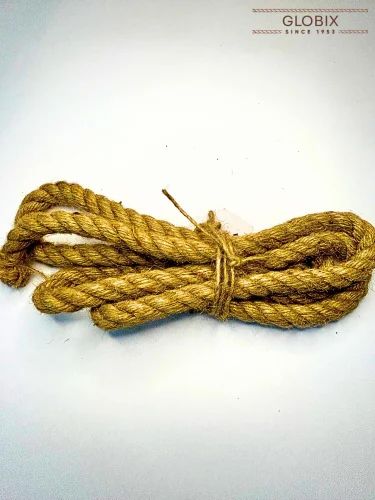
- Fibre
- Jute (Corchorus) bast fibre
- Forms
- Twisted rope, braided rope, plain twine, waxed/bleached twine
- Colour
- Natural golden-brown; bleached (lighter) or waxed finish available
- Put-Up
- Coils, hanks, reels or balls, to specified length or weight
- HS Heading
- 5303 (raw jute fibre) · 5607 (finished rope and twine)
Jute Fibre Quality and Finish Grades
Jute is one of the more formally graded natural fibres in the trade — raw fibre is categorised by length, colour and cleanliness, which carries through into the finished rope or twine's strength, colour consistency and surface finish. Confirm the finish (plain, waxed or bleached) against your application, since each behaves differently.
Standard Fibre, Natural Colour
Undyed, unwaxed jute in its natural golden-brown colour. The general-purpose grade for packaging, agricultural and industrial tying use where cost and functional strength matter more than finish.
Finished Grade
Waxed jute twine has an applied wax coating for a smoother handle and better knot-holding and moisture resistance; bleached jute is lightened for a more consistent, lighter appearance. Both finishes are commonly specified for craft, décor and furniture-design use where handling and appearance matter more than raw cost.
Construction Types Available
Twisted Rope
Standard twisted construction in a range of diameters, the most common jute rope form for general tying, packaging and decorative use.
Braided Rope
A flatter, more flexible braided construction, often specified for furniture wrapping, macrame and craft applications where drape and hand-feel matter more than raw strength.
Plain, Waxed and Bleached Twine
Lighter twine forms used for tying, bundling, agricultural and gardening use, and craft work — waxed twine holds knots better and resists moisture slightly more than plain.
Where Jute Rope and Twine Is Used
Packaging
Jute rope and twine is supplied in coils, hanks, reels or balls depending on form and order size. Jute absorbs moisture readily, so export shipments are packed with moisture-protective wrapping, and buyers should confirm any destination-port fumigation certificate requirement before booking — see export documentation. Furniture manufacturers and design buyers ordering smaller design-run quantities should specify exact diameter, twist tightness and finish (plain, waxed or bleached) in writing, since these affect both appearance and how the rope wraps or knots.
Common Questions
Is jute rope good for furniture design?
Yes — jute rope and braided jute cord are widely used in furniture and interior design for wrapped table and chair legs, woven stools, rope rugs and wall hangings, because the natural fibre takes dye and wax finishes well and has a texture that suits rustic and coastal design styles. Braided or waxed jute is generally preferred over plain twisted rope for this use, for a smoother hand-feel and more consistent wrap.
What is the difference between waxed and plain jute twine?
Waxed jute twine has an applied wax coating that gives it a smoother handle, better knot-holding and slightly better moisture resistance than plain twine. Plain twine is the lower-cost, general-purpose option used where finish and hand-feel are not a factor.
Does jute rope rot or mildew?
Jute is a natural fibre and will degrade over time with sustained moisture exposure, including mildew risk in humid or wet conditions. For outdoor or high-moisture use, a waxed finish helps but does not fully waterproof it — for permanently wet applications, sisal, manila or a synthetic rope is a more durable specification.
Get a quote on Jute Rope and Twine
Send your diameter, ply, quantity and destination and we will confirm pricing and lead time.
Request a Quote